
A Reliable Option for Severe Joint Pain
Total joint replacement is a reconstructive procedure used to replace a damaged joint with a durable artificial prosthesis. When arthritis, injury, or degeneration causes persistent pain and loss of mobility, replacing the joint can offer long-term relief and restore normal function. Modern techniques and high-quality implant materials allow many patients to undergo joint replacement as an outpatient procedure, returning home the same day. This approach reduces discomfort, speeds healing, and helps patients resume daily activities with greater ease.
Why Joints May Need Replacement

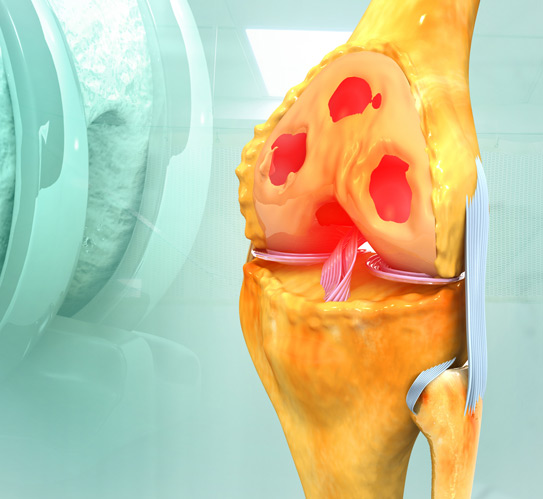
Joint replacement is considered when conservative treatments no longer provide relief. Healthy joints rely on smooth layers of cartilage that cushion and protect bones during movement. When this cartilage wears down due to arthritis, injury, or age-related degeneration, bones begin to rub together, causing stiffness, pain, and limited motion. Conditions such as osteoarthritis, rheumatoid arthritis, avascular necrosis, and severe fractures can all damage joint structures to the point where replacement becomes the most effective option.
A joint may also need to be replaced when discomfort worsens over time, impacts mobility, or prevents participation in normal activities. Patients who struggle with daily movement, athletic performance, or persistent pain despite physical therapy, NSAIDs, injections, or other treatments may benefit from total joint replacement.

How Total Joint Replacement Works
Total joint replacement removes worn bone surfaces and replaces them with artificial components shaped to match the original joint. For ball-and-socket joints such as the hip or shoulder, both parts may be replaced, although some cases require only partial reconstruction. Implants are made from durable materials such as metal, ceramic, or medical-grade plastic designed to withstand years of movement.
Many joint replacements today are performed using minimally invasive arthroscopic techniques. These approaches use small incisions and specialized instruments to reduce tissue disruption and shorten recovery time. Most patients go home the same day, and the surgical process typically takes a couple of hours. The goal is to restore smooth, pain-free movement with a stable and functional joint.
Who May Be a Candidate
Candidates for total joint replacement often experience chronic pain that interferes with sleep, work, or daily activities. Individuals with arthritis, degenerative changes, or structural joint damage that does not improve with nonsurgical care may be good candidates. Doctors may recommend the procedure when pain continues to worsen or when mobility becomes significantly limited.
A thorough evaluation helps determine whether joint replacement is appropriate. Ideal candidates are generally in good overall health and able to participate in postoperative therapy. Those seeking long-term improvement in movement, comfort, and quality of life often benefit most from this procedure.
What to Expect After Treatment
Recovery from total joint replacement begins immediately after surgery. Patients are encouraged to move the joint soon after the procedure to promote circulation and prevent stiffness. Assistive devices such as walkers or crutches are often used temporarily until strength improves. Physical therapy plays a central role in rebuilding stability, flexibility, and confidence in the new joint.
Initial stiffness is common, but it improves progressively with consistent therapy. Patients are encouraged to follow their surgeon’s instructions closely and report any concerns during recovery. With proper care, modern prosthetic joints are designed to provide long-lasting relief, allowing patients to resume normal routines with significantly less pain and greater mobility.