
Understanding Facet Block Injections
Facet block injections are minimally invasive treatments used to reduce pain and inflammation in the small joints along the spine known as facet joints. These injections deliver anesthetic and sometimes steroid medication directly to the irritated joint or nearby nerves. Facet blocks can help ease back or neck pain, improve mobility, and provide diagnostic information about the source of symptoms. Many patients experience meaningful, though temporary, relief that supports a broader treatment plan.
How Facet Blocks Work

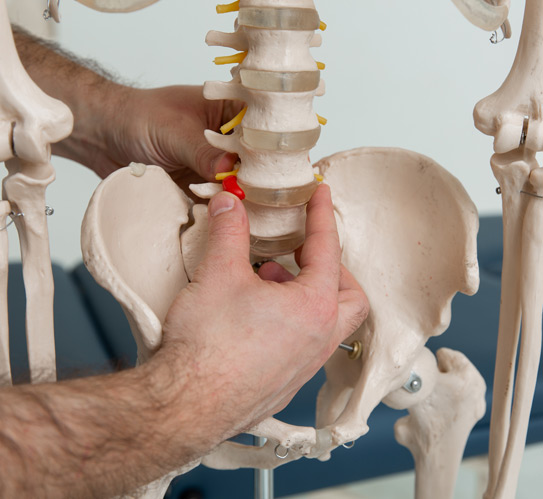
Facet joints are paired joints located along the back of each vertebra, helping support movement and stability in the spine. When these joints become irritated or arthritic, they may cause localized or radiating pain. A facet block uses fluoroscopic or CT imaging to guide a precise needle into the affected joint, where medication is injected to reduce inflammation and numb the surrounding nerves. This targeted approach offers both therapeutic and diagnostic benefits.
Because back pain may stem from discs, nerves, or soft tissues, facet blocks are often used to confirm whether the facet joint is the true source of discomfort. When the injection provides immediate or significant temporary relief, physicians can better tailor ongoing treatment. Facet blocks may also help patients tolerate physical therapy more comfortably as part of a comprehensive care plan.

Preparing for and Undergoing Treatment
Before undergoing a facet block, patients are typically instructed to stop taking aspirin or blood thinners for several days. Eating or drinking is usually restricted for eight hours prior to the procedure, and a driver is needed afterward because patients cannot safely drive the same day. Avoiding heat on the injection area for 24 hours—such as hot showers, baths, or hot tubs—is also recommended.
During the procedure, patients lie on their stomach while the provider cleans the skin and administers local anesthetic. Using X-ray guidance, the physician places a thin needle into the facet joint and injects the medication. The entire process is brief, and patients are monitored for about 20–30 minutes after the injection before being discharged with instructions.
Benefits and Expected Outcomes
Facet block injections are designed to reduce inflammation, provide pain relief, and support rehabilitation efforts. Many patients notice improvement shortly after treatment, especially during normal activities. The level and duration of relief vary, but keeping track of symptom changes helps physicians determine next steps, such as additional injections or complementary therapies.
Risks, Aftercare, and Long-Term Management
While facet blocks are considered safe, potential risks include infection, bleeding, allergic reactions, or temporary increases in pain. Nerve irritation is uncommon but possible, particularly in patients with underlying bleeding disorders or those on anticoagulants. Women who may be pregnant should notify their care team before the procedure.
After treatment, mild soreness at the injection site is normal. Patients should avoid applying heat for 24 hours but may gradually resume daily activities. Tracking pain relief helps guide future treatment decisions, allowing physicians to recommend physical therapy, additional injections, or other supportive interventions based on how well the patient responds. With proper care and monitoring, facet blocks can play a useful role in managing neck and back pain.