
Partial Joint Restoration
Hemi joint replacement focuses on repairing the damaged portion of a joint while preserving the healthy structures that still function well. This approach is often recommended for patients with localized arthritis, fractures, or wear affecting only one side of the joint. By replacing just the injured component, the procedure can reduce pain and improve movement with less disruption to surrounding tissues. Many individuals experience better comfort, stability, and mobility after surgery.
Understanding Hemi Joint Replacement
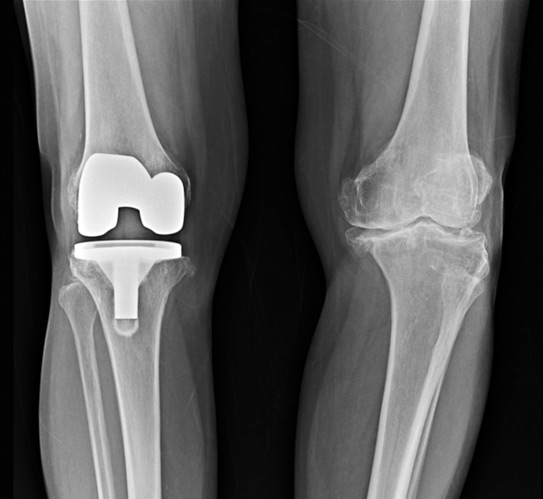
A hemi joint replacement involves removing and replacing only one part of a joint rather than the entire structure. In ball-and-socket joints such as the hip or shoulder, the “ball” portion is often the component most affected by injury or degeneration and may require replacement. Other joints—such as the elbow, wrist, or big toe—can also undergo partial replacement depending on the specific area of damage. Preserving the healthy half of the joint helps maintain natural mechanics and reduces the extent of surgical intervention.
Surgeons evaluate the condition of the joint, surrounding tissues, and overall stability to determine whether a partial replacement is appropriate. This decision often depends on factors such as the location of damage, the patient’s activity level, and the long-term outlook for joint function. When appropriate, hemiarthroplasty can offer significant pain relief and support a faster return to daily activities compared to more extensive procedures. It is designed to restore movement while minimizing disruption to healthy tissue.

Candidacy and Surgical Process
Hemi joint replacement is commonly recommended for active or younger patients who want to maintain flexibility and avoid the larger intervention of a total joint replacement. It may also be a good option for older adults who cannot undergo a more complex procedure or for individuals whose soft tissue condition makes total replacement less stable. In some cases, partial replacement is chosen to prevent complications or preserve future treatment options.
Before surgery, imaging and diagnostic evaluations—such as X-rays, MRIs, or arthroscopy—help determine the extent of damage. During the procedure, the surgeon removes the affected portion of the joint and replaces it with a durable implant made from metal, plastic, or a combination of materials. Depending on the joint, the implant may be cemented into place or secured with hardware for stability. This approach maintains as much natural anatomy as possible while supporting long-term function.

Benefits of Partial Joint Replacement
A hemiarthroplasty can provide meaningful pain relief and restore smooth joint movement by replacing only the damaged surfaces while keeping the healthy components intact. Because the surgical area is smaller, recovery is often quicker and less painful than with total joint replacement. This procedure may improve range of motion, reduce inflammation, and support a more natural feel during movement. The main long-term consideration is the possibility that the remaining portion of the joint may deteriorate over time, but many patients maintain good function with proper joint care and follow-up.
Recovery and Long-Term Joint Health
Recovery after a hemi joint replacement varies depending on the joint involved and the patient’s overall health. Most patients begin physical therapy soon after surgery to regain strength, stability, and motion. Rehabilitation focuses on gradually increasing activity while protecting the joint as it heals. Maintaining a healthy lifestyle, managing underlying conditions such as arthritis or diabetes, and taking precautions during physical activity can help prolong the lifespan of the joint and reduce the likelihood of future procedures. With proper care, many individuals experience lasting improvements in comfort, mobility, and quality of life.