
Shoulder Repair Solutions
Shoulder surgery helps restore comfort and function when injuries or degenerative conditions affect the joint. From tendon tears to arthritis and instability, surgical treatment can reduce pain and improve mobility when other methods are no longer effective. Many procedures can now be performed with minimally invasive techniques, offering smaller incisions and quicker recovery. With the right approach, patients can regain strength and return to daily activities more comfortably.
Why Surgery May Be Recommended

Shoulder surgery is often advised when structural damage prevents the joint from functioning normally. Conditions such as dislocations, severe arthritis, and rotator cuff tears can progress over time and lead to chronic pain or mobility loss. Surgical repair helps restore stability, reduce inflammation, and improve overall shoulder performance. Before moving forward, patients are typically encouraged to explore all conservative options and discuss potential risks and benefits.
When the shoulder joint becomes severely impaired, surgery may be the most effective way to regain movement. Damage from repeated use, traumatic injury, or long-term degeneration can interfere with daily tasks and limit arm strength. Surgical intervention can correct these issues by repairing torn tissues, removing damaged structures, or realigning bones. Each procedure is tailored to the specific condition and the needs of the patient.

Common Types of Shoulder Surgery
Several surgical techniques are used to treat shoulder disorders, depending on the source and extent of the problem. Arthroscopy involves inserting a small camera into the joint to visualize and treat conditions such as impingement, tendonitis, and labral tears. Rotator cuff repair focuses on stitching torn tendons back to the humerus to restore strength and reduce pain. Joint replacement, or arthroplasty, may be recommended for patients with advanced osteoarthritis or rheumatoid arthritis.
Soft tissue injuries involving the shoulder’s muscles and supporting structures may also require surgery when severe. These injuries can result from overuse, heavy impact, or significant strain. In some cases, open surgery is necessary for better access to complex injuries or when minimally invasive techniques cannot fully address the problem. Regardless of the approach, the goal remains consistent: restoring comfort, mobility, and joint stability.
Open Surgery Considerations
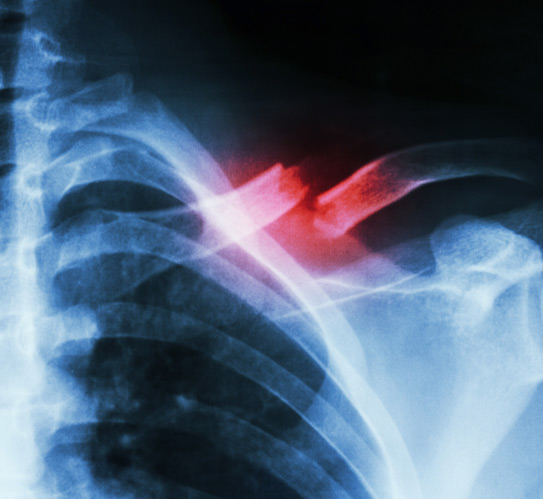
Although many shoulder procedures can be performed arthroscopically, some situations require an open surgical approach. Open surgery allows direct access to the damaged area, which may be necessary for large tears, complex fractures, or advanced joint deterioration. Incisions are typically a few inches long, and surgeons may use this method to ensure a more accurate repair. Patients should monitor for signs of infection, increased swelling, or unusual numbness after surgery and report concerns promptly to their provider.
Recovery and Rehabilitation
Healing after shoulder surgery involves a structured recovery plan tailored to the type of procedure performed. Patients may work with physical therapists to gradually restore flexibility, strength, and coordination. Early rehabilitation often focuses on gentle mobility exercises, progressing to strengthening routines as healing improves. Temporary limitations may include avoiding heavy lifting or overhead movements until the shoulder is strong enough to tolerate them. Ongoing follow-up with an orthopedic specialist helps ensure the joint heals properly and regains optimal function.