
Understanding Osteoporosis
Osteoporosis is a condition that weakens the bones, making them fragile and more susceptible to fractures. Often called a “silent disease,” it usually develops slowly and may not cause noticeable symptoms until a bone breaks. Older adults, especially women, are most at risk due to natural changes in hormones and bone density. With proper awareness, early screening, and preventive care, many people can protect their bone health and reduce long-term risks.
How Osteoporosis Develops

Bone is a living tissue that constantly rebuilds itself. In osteoporosis, the body loses bone mass faster than it can replace it, resulting in bones that become porous and brittle. This imbalance can make even mild stress—such as bending, lifting, or sneezing—enough to cause a fracture. The spine, wrist, and hip are the areas most commonly affected because they bear weight or absorb everyday impact.
Peak bone density is typically reached around age 30. Individuals who do not develop strong, healthy bones during childhood and early adulthood may be more vulnerable to osteoporosis later in life. Hormonal changes also play a major role: women experience accelerated bone loss after menopause due to declining estrogen, while aging men lose bone more gradually as testosterone levels drop.

Recognizing the Symptoms
Osteoporosis often shows no warning signs in its early stages. As the condition progresses, symptoms may begin to appear, usually after bones have already weakened significantly. Back pain caused by fractured or compressed vertebrae is common. Some individuals notice a decrease in height or a stooped posture due to spinal changes.
Fractures from minor incidents—such as a fall from standing height—may be the first noticeable sign. These breaks can occur more easily than expected and may take longer to heal. Because symptoms develop so late, routine bone density testing is important for early identification and treatment.
Treatment and Support Options
Treatment for osteoporosis typically begins with a bone density scan to measure the strength of your bones. Medications such as bisphosphonates help slow bone loss and support bone rebuilding. These may be taken orally or given as injections several times per year. Weight-bearing exercises like walking or resistance training can help maintain bone density, while hormone replacement therapy may benefit women after menopause. Men may also benefit from testosterone therapy in some cases. Additional medications that mimic estrogen may be recommended to reduce fracture risk, though long-term research is ongoing.
Prevention and Long-Term Management
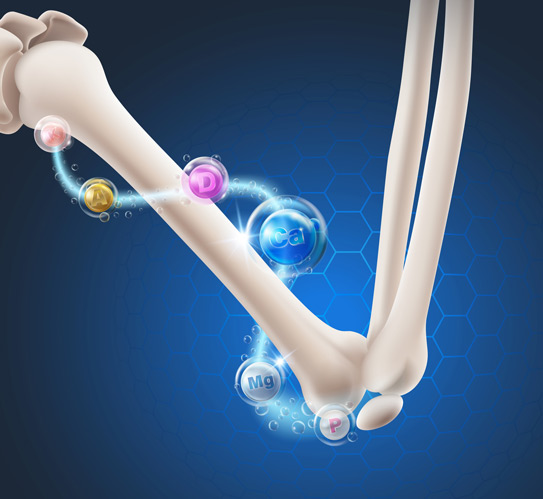
Preventing osteoporosis or slowing its progression involves a combination of healthy habits and medical monitoring. Getting adequate calcium and vitamin D supports strong bones, while regular physical activity—particularly weight-bearing exercise—helps maintain bone density. Avoiding smoking, limiting alcohol intake, and staying active can significantly reduce risk.
For those already diagnosed, periodic bone density scans help track progress and guide treatment adjustments. Maintaining good posture, reducing fall risks at home, and strengthening surrounding muscles can also protect vulnerable bones. With the right combination of lifestyle choices, medication, and follow-up care, many individuals with osteoporosis can maintain mobility and enjoy a high quality of life.