
A Long-Term Solution for Severe Hip Pain
Total hip replacement is a reconstructive procedure that replaces the damaged ball-and-socket joint with durable artificial components designed to restore comfort and mobility. This approach is used for individuals with advanced hip arthritis, structural damage, or injuries that make daily activities difficult. By removing worn joint surfaces and replacing them with smooth, high-functioning implants, total hip replacement can provide long-lasting pain relief and significantly improve movement and quality of life.
How Total Hip Replacement Helps
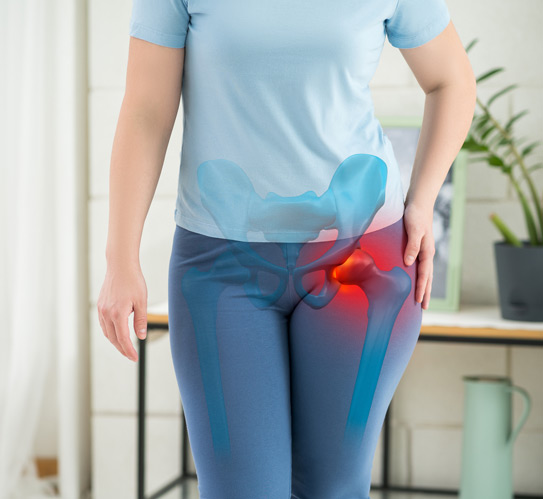
When hip structures deteriorate from arthritis, injury, or deformity, joint surfaces become rough and painful with movement. Total hip replacement removes these damaged surfaces and replaces them with artificial components engineered to glide smoothly and support normal mobility. The prosthetic ball is typically made of metal or ceramic, while the socket may be constructed from plastic, ceramic, or metal materials. Together, these components restore stability and function while greatly reducing pain.
Patients are placed under general anesthesia or a numbing regional block before surgery begins. Once the joint is accessed, the worn ball portion of the femur is replaced with a metal or ceramic component secured to the bone. The socket is reshaped and fitted with a new lining. These parts work together to restore the joint’s natural range of motion. Modern surgical techniques and implant materials contribute to excellent outcomes and predictable recovery.

Conditions That May Benefit
Total hip replacement is often recommended for patients whose hip damage significantly interferes with daily life and has not improved with conservative therapies. Many individuals with osteoarthritis experience progressive stiffness and pain that limit activities such as walking, standing, or resting comfortably. When symptoms persist despite medication, injections, or physical therapy, replacing the joint may be the best option.
Other conditions that may lead to hip replacement include rheumatoid arthritis, septic arthritis, ankylosing spondylitis, and hip fractures that cause joint surface damage. Structural issues such as abnormal bone formation or congenital deformities may also result in chronic pain that hip replacement can effectively address. The central goal is to restore function and reduce pain when nonsurgical options no longer provide meaningful relief.

Who May Be a Candidate
Candidates for total hip replacement typically have persistent hip pain that affects sleep, mobility, and basic daily activities. Individuals who struggle with walking, bending, or bearing weight due to joint deterioration often benefit most. Candidates also include those with hip fractures that have impaired joint function, or patients with arthritis that has not responded to medication, physical therapy, or activity modification.
A comprehensive evaluation helps determine whether hip replacement is the appropriate step. Ideal candidates are generally healthy enough for surgery, motivated to participate in rehabilitation, and seeking long-term improvement in comfort and mobility. When chronic symptoms significantly impact quality of life, hip replacement may provide the relief needed to resume normal routines.
What to Expect From Treatment
Total hip replacement typically takes one to two hours and is performed using techniques that preserve surrounding muscles whenever possible. After surgery, patients may begin moving with assistance the same day or shortly after. Most people use crutches or a walker while the joint heals and gradually transition to walking independently as strength improves. Physical therapy supports flexibility, stability, and safe movement with the new joint.
Most patients notice steady improvement over the first few months, with full recovery often taking three to six months depending on overall health and adherence to rehabilitation. With proper care, modern hip implants are designed to provide durable, long-lasting relief, allowing individuals to return to daily activities with significantly less pain and greater freedom of movement.