
Understanding Spinal Stenosis
Spinal stenosis occurs when spaces within the spine narrow, placing pressure on the spinal cord and nearby nerves. This pressure can lead to symptoms such as pain, tingling, numbness, or weakness in the neck, back, arms, or legs. While some people experience few or no symptoms, others may have significant limitations in mobility and daily activities. With early evaluation and proper treatment, many individuals can reduce discomfort and maintain a good quality of life.
How Spinal Stenosis Develops

Recognizing the Symptoms
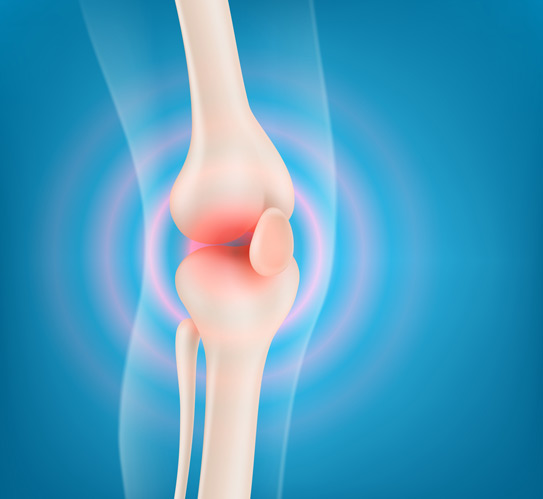
Symptoms of spinal stenosis usually develop slowly and vary depending on the affected area. When the cervical spine is involved, individuals may experience numbness, tingling, or weakness in the arms or hands. Some people develop balance difficulties or feel unsteady while walking. In more advanced cases, changes in bowel or bladder function may occur.
Lumbar spinal stenosis often leads to leg pain, cramping, or tingling that worsens with walking or standing and improves with sitting or leaning forward. This may be due to pressure on the sciatic nerve, which can cause discomfort that radiates into the hips, thighs, or legs. Over time, symptoms may become more persistent and limit daily activities unless treated.
Treatment and Pain Management
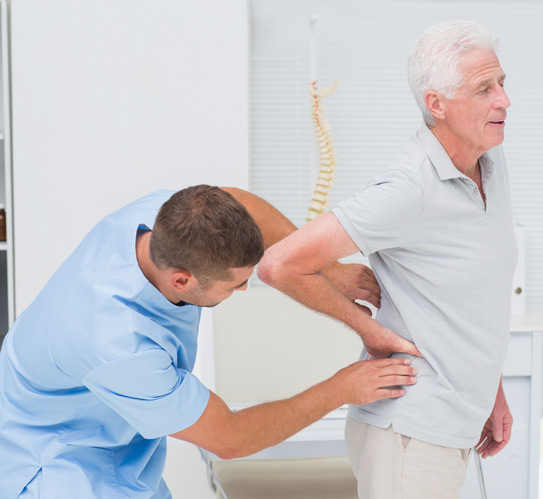
Diagnosing spinal stenosis typically involves imaging such as X-rays, MRI scans, or CT scans with contrast to determine the cause and extent of narrowing. Physical therapy is often one of the first treatments recommended to strengthen the muscles that support the spine and improve flexibility. Activity modifications—such as using ergonomic seating or avoiding extended standing—can also help reduce symptoms.
Anti-inflammatory medications and short-term pain relievers may be used to manage discomfort. Other treatments include nerve-calming medications, epidural steroid injections, or water-based exercises that reduce pressure on the joints. These conservative approaches can help many people maintain mobility and reduce flare-ups.
Advanced Treatment and Long-Term Care
If symptoms worsen or do not respond to conservative treatment, decompression surgery may be recommended. Procedures such as laminectomy remove part of a vertebra to create more space for the nerves and relieve pressure. Some patients may require additional stabilizing procedures if spinal alignment is affected.
Long-term management focuses on maintaining a healthy spine through regular low-impact exercise, weight control, and good posture. Avoiding smoking and staying hydrated support overall spinal health and help prevent further degeneration. With consistent care and appropriate treatment, individuals with spinal stenosis can improve mobility and reduce long-term discomfort.