
Understanding Bone Fractures
Fractures, commonly known as broken bones, occur when strong force or sudden impact causes a bone to crack or break. These injuries can range from tiny stress fractures to severe breaks involving multiple bone fragments. Pain, swelling, and difficulty moving the affected area are typical signs that something is wrong. With timely treatment and proper care, most fractures heal well and regain strength.
How Fractures Occur
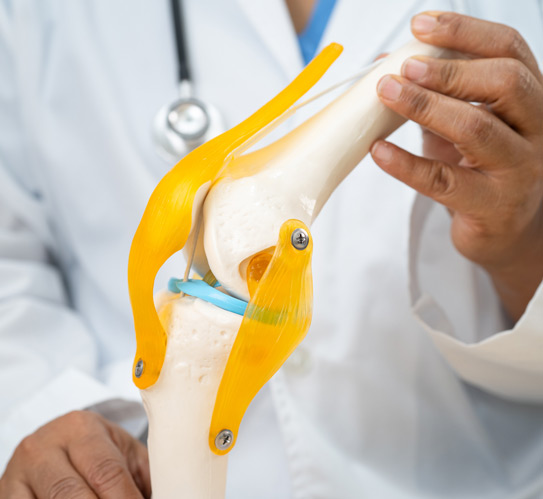
Fractures often result from accidents such as falls, collisions, or sports injuries. High-impact events like auto accidents or slipping and landing on an outstretched arm can easily cause a break. Bones weakened by aging, nutritional deficiencies, or medical conditions may fracture from even minor movements or low-impact incidents. As people get older, reduced bone density and balance issues increase the risk of falls and injury.
Certain health factors, such as thyroid disorders, eating disorders, and long-term use of corticosteroid medications, can further weaken bones. Women are especially susceptible to fractures as they age due to naturally lower bone density. Smoking and excessive alcohol use can also interfere with the body’s ability to build and maintain strong bones, increasing the likelihood of injury.

Recognizing the Symptoms
The most obvious signs of a fracture include severe pain and an inability to move or bear weight on the injured area. Swelling, bruising, and stiffness often develop quickly after the injury. In some cases, the injured area may appear deformed or feel warm to the touch. Some people may even hear a snap or crack at the moment the bone breaks.
Not all fractures are immediately recognizable. Stress fractures and hip fractures in individuals with low bone density can be subtle at first. Symptoms may gradually worsen over the next 24–48 hours, eventually leading to moderate or severe pain that makes movement difficult. Seeking prompt evaluation helps prevent additional damage and ensures proper healing.
Treatment for Proper Healing
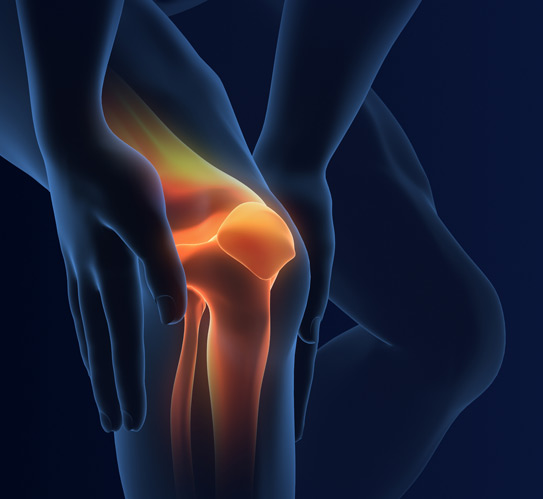
Most fractures require medical treatment to realign and stabilize the bone. Depending on the location and severity of the break, surgery may be necessary to repair the injury. Metal plates, screws, or rods may be used to secure the bones so they heal in the correct position. For severe or displaced fractures in areas like the hip, knee, or ankle, partial or full joint replacement may be recommended. Ensuring proper blood flow to the bone is an important part of surgical repair and long-term healing.
Recovery and Long-Term Care
After surgery or stabilization, casts or walking boots may be used to keep the bones aligned as they heal. Nutritional support, including vitamins and minerals, can help strengthen bones and promote recovery. Physical therapy is essential for restoring strength, mobility, and range of motion once the bone begins to mend. Therapists guide patients through exercises that improve muscle support and reduce the risk of future fractures.
Some individuals may need temporary support devices such as canes or walkers until they regain full stability. Long-term prevention strategies include managing underlying health conditions, maintaining strong bones through adequate nutrition, and practicing fall prevention habits. With proper care, most fractures heal successfully and allow patients to return to their normal activities.