
Orthopedic Medication Options
Medications for orthopedic and pain-related conditions help reduce inflammation, ease discomfort, and support recovery. Treatment plans may include over-the-counter options, prescription drugs, or targeted injections depending on the cause and severity of symptoms. These medications can relieve both acute and chronic pain, improve mobility, and make daily activities more manageable. For many patients, medication plays an important role in restoring comfort while other therapies support long-term healing.
Common Over-the-Counter Medications
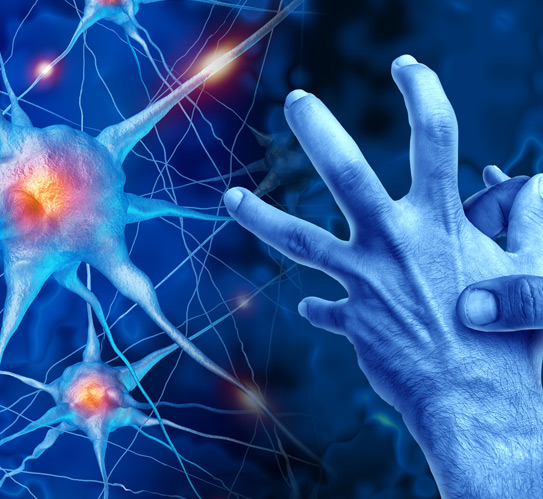
Many patients begin with over-the-counter medications to manage mild to moderate pain. Nonsteroidal anti-inflammatory drugs help reduce swelling and inflammation that contribute to discomfort in joints, muscles, and soft tissues. Acetaminophen is another widely used option that relieves pain without affecting inflammation. Because these medications work differently in the body, they can sometimes be taken together under a doctor’s guidance for added relief.
While OTC medications can be helpful, they may not be sufficient for more complex or persistent symptoms. Patients with recurring pain, limited mobility, or symptoms that worsen over time should speak with their physician to determine whether prescription-strength options or additional therapies are appropriate. A careful assessment helps ensure that pain relief is both safe and effective.

Prescription Therapies and Injections
When over-the-counter medications are not enough, prescription treatments may offer better control of symptoms. Antidepressants are sometimes used for chronic pain because they can modify how the nervous system processes discomfort. Certain anti-seizure medications may also help reduce nerve-related pain, especially in cases involving diabetes or shingles. These medications are typically given at lower doses than what is used for their primary purposes.
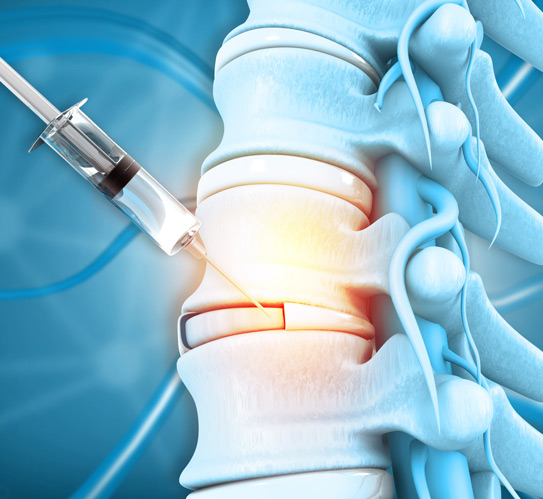
Targeted injections may be recommended for patients with severe, localized pain. Steroid injections reduce inflammation around nerves or joints, while nerve block medications interrupt pain signals traveling to the brain. Injections can provide relief for back pain, muscle spasms, and other orthopedic conditions, and they may be used alongside physical therapy to enhance results.
Managing Pain Safely
Medications for orthopedic pain must be used carefully and under a physician’s supervision. Opioid medications, in particular, are prescribed only for short-term use due to their risk of dependence. Combining medication with supportive therapies, such as physical therapy and lifestyle modifications, can improve outcomes while lowering the need for stronger drugs. Regular follow-up with a doctor helps ensure that medications remain effective and that adjustments are made as symptoms change.
Treatment Considerations and Monitoring
Every patient responds differently to pain management medications, so monitoring is an essential part of care. Some individuals may benefit from a combination of treatments, while others may require adjustments based on side effects or limited progress. In many cases, the most effective approach includes medication along with exercise therapy, activity modification, or orthopedic interventions. By working closely with a physician, patients can find a balanced treatment plan that supports healing and improves daily functioning.