
Understanding ACL Reconstruction
ACL reconstruction is a surgical procedure used to restore stability and function to a knee with a torn anterior cruciate ligament. ACL injuries commonly occur during athletic movement—such as sudden stops, pivots, or changes in direction—and can lead to significant instability. Reconstruction uses a tendon graft to replace the damaged ligament, supporting long-term knee strength and mobility. With proper rehabilitation, many patients are able to safely return to sports, exercise, and daily activities.
How the Procedure Works
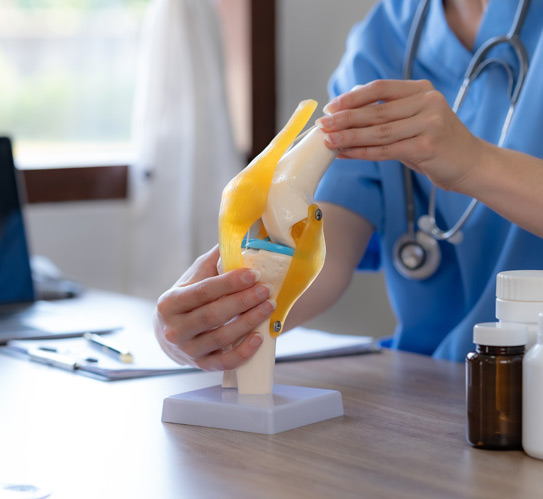
ACL reconstruction is done using minimally invasive arthroscopic techniques. After the patient is placed under general anesthesia, the surgeon creates small incisions around the knee and inserts an arthroscope to see inside the joint. Surgical instruments are then used to remove the damaged ligament and replace it with a graft—either from the patient’s own tissue or from a donor.
The graft is anchored to the femur and tibia with screws or small fixation devices and acts as a framework for the body to grow a new, fully functional ACL. Once healing begins, patients start physical therapy to rebuild strength, flexibility, and movement patterns.

Preparing for and Undergoing Surgery
ACL reconstruction is performed on an outpatient basis, meaning patients return home the same day. Before surgery, patients review their medical history, complete imaging studies, and discuss anesthesia options.
During the procedure:
- The patient is placed under general anesthesia.
- Small incisions are made around the knee.
- A camera and specialized instruments guide the repair.
- The ACL is reconstructed using a tendon graft.
After surgery, patients receive instructions for rest, mobility support, and the beginning stages of rehabilitation.
When ACL Reconstruction Is Needed
ACL reconstruction is recommended for patients with complete or significant partial ACL tears. It may also be advised when the knee remains unstable during daily activities, when other knee structures such as cartilage are damaged, or when combined ligament injuries are present.
Athletes and physically active individuals often choose reconstruction to regain full performance levels and prevent future instability. The procedure may also be performed alongside knee replacement surgery when ACL damage is identified.
Patients who experience persistent knee instability, difficulty with twisting movements, or repeated “giving way” episodes may be strong candidates for ACL reconstruction.
Aftercare, Risks, and Guidance
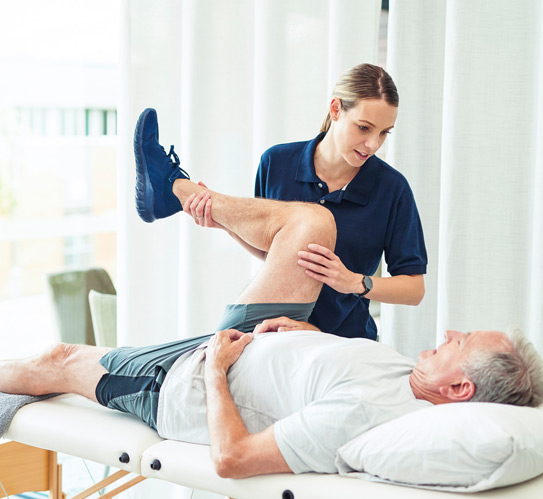
Recovery involves a structured physical therapy program that progresses in phases to rebuild strength, stability, and range of motion. Mild discomfort, swelling, and stiffness are expected in the first several weeks.
Complications are uncommon but may include infection, blood clots, graft failure, knee stiffness, or persistent instability. Patients should contact their surgeon if they experience worsening pain, fever, excessive swelling, or difficulty bearing weight.
Long-term outcomes are excellent for most patients, especially when rehabilitation is followed consistently and activity is increased gradually under medical guidance.