
Understanding Stress Injuries
Stress injuries, sometimes called overuse injuries, occur when repeated motion or excessive strain overwhelms the body’s natural ability to recover. These injuries often develop slowly and commonly affect weight-bearing bones, tendons, or muscles. Athletes, military recruits, and individuals with physically demanding routines are at higher risk due to repetitive impact. With early recognition and proper rest, most stress injuries can heal fully and prevent long-term complications.
How Stress Injuries Develop

Stress injuries form when bones or soft tissues are exposed to repeated strain without enough time to repair and rebuild. This cycle of micro-damage typically occurs when physical activity is increased too quickly in intensity, duration, or frequency. While bones normally remodel by breaking down old tissue and forming new tissue, this process can fail when recovery time is insufficient. As a result, tiny cracks—called stress fractures—can develop in vulnerable areas.
Certain foot structures, such as flat feet or very high arches, can increase pressure on bones with each step. Wearing worn-out shoes, using improper footwear, or performing high-impact activities may also contribute. People with osteoporosis, eating disorders, or low calcium and vitamin D levels are more vulnerable because their bones cannot replace cells effectively. A history of previous stress fractures also increases future risk.

Recognizing the Symptoms
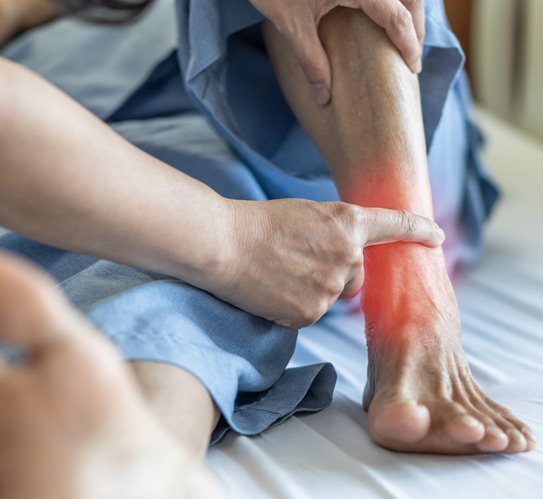
Symptoms of stress injuries often appear gradually, beginning with mild discomfort during activity. Pain typically worsens over time and becomes more localized, often in the foot or lower leg. Tenderness when pressing on the affected area is common, along with swelling that develops as the injury progresses. The pain usually decreases with rest but returns once activity resumes.
Wearing shoes may aggravate discomfort if the fracture is along the top of the foot. High-impact workouts, running, or jumping can intensify symptoms. If not addressed early, stress injuries can worsen and increase the risk of a complete fracture, making prompt evaluation important.
Treatment and Healing Support
Treatment for stress injuries focuses on reducing strain so the bone or tissue can heal. Patients may be advised to limit activity and use supportive devices such as walking boots, braces, or crutches. These tools help protect the injured area and prevent further damage. When a stress fracture occurs in a bone with poor blood supply, or when a quick return to activity is needed—such as for competitive athletes—surgery may be recommended. Healing after surgery typically takes several weeks.
Recovery and Prevention
Following treatment, physical therapy may help restore strength and flexibility while preparing the body to return safely to activity. Gradual increases in training intensity, combined with proper footwear and attention to technique, can help prevent reinjury. Ensuring adequate nutrition—including calcium and vitamin D—is essential for maintaining bone health.
People with recurring stress injuries may benefit from gait analysis or customized orthotics to correct mechanical imbalances. With early diagnosis, appropriate rest, and a structured return-to-activity plan, most individuals recover fully and can return to their normal routines with reduced risk of future injuries.