
Minimally Invasive Spine Relief
Outpatient laser spine surgery offers a modern approach to treating back and neck pain caused by conditions such as herniated discs, spinal stenosis, and degenerative disc disease. By using focused laser technology through small incisions, surgeons can remove or shrink damaged tissue with less disruption to surrounding structures. Many patients experience reduced discomfort and a quicker return to normal activities compared to traditional open surgery. Since the procedure is performed on an outpatient basis, most individuals return home the same day.
How Laser Spine Surgery Helps

Laser spine surgery reduces pain by targeting damaged spinal tissue while preserving healthy muscles and ligaments. Traditional open surgery often requires larger incisions and repositioning of soft tissue, which can lengthen recovery time. In contrast, laser techniques allow surgeons to directly access the affected area with minimal interference. This approach can relieve pressure on nerves and reduce inflammation that contributes to chronic pain.
Because laser spine surgery is less invasive, the risk of complications is typically lower, and healing may be faster. Many conditions that once required open surgery—such as herniated discs and narrowed spinal canals—can now be addressed with smaller incisions and more precise tools. Patients who have not responded to conservative treatments may find significant improvement through these minimally invasive options.

Common Conditions Treated
Laser spine surgery is frequently used for disc problems, including herniated or bulging discs that compress nearby nerve roots. When the disc material presses on the sciatic nerve, symptoms such as lower back pain, radiating leg discomfort, and numbness may occur. Minimally invasive discectomy can remove only the damaged portion of the disc while keeping the rest of the structure intact.
Other conditions, such as spinal stenosis or facet disease, may also be addressed with laser-based procedures. Surgeons can relieve pressure on the nerves by widening narrowed openings, removing bone spurs, or deadening small nerves causing joint pain. Some patients with degenerative scoliosis or persistent nerve compression may benefit from minimally invasive fusion techniques when additional support is needed.
Why Surgeons Recommend It
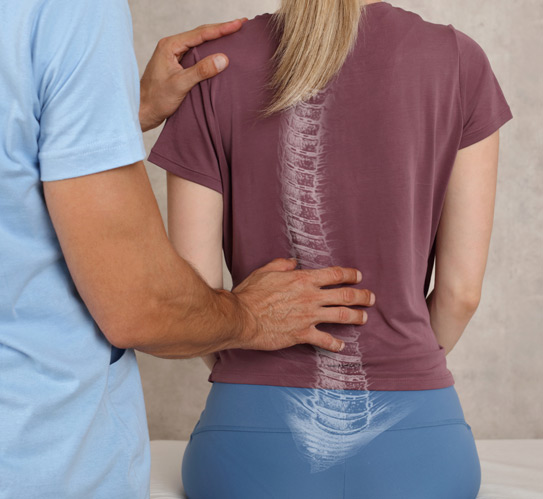
Laser spine surgery is often recommended for patients with a clearly identified source of pain who have tried non-surgical treatments without lasting relief. These procedures can reduce symptoms without the longer healing process associated with open surgery, allowing patients to resume daily routines sooner. By removing or shrinking damaged tissue and relieving nerve pressure, laser techniques can significantly decrease pain and improve mobility. Ideal candidates are individuals in good overall health who require a targeted, minimally invasive approach to treating chronic spine symptoms.
Recovery and Treatment Considerations
Most patients return home the same day, and many resume light activity shortly afterward. While discomfort at the incision site is normal, recovery generally progresses more quickly than with traditional surgery. Physical therapy may be recommended to strengthen the spine and support long-term healing. Patients with herniated discs, nerve compression, facet disease, or structural issues such as degenerative scoliosis may benefit from outpatient laser procedures if conservative treatments have not been effective. These minimally invasive techniques provide a focused way to relieve pain while preserving surrounding tissues and promoting a smoother recovery.