
Restoring Hand Function
Hand surgery focuses on treating injuries and conditions that affect the hand, wrist, and forearm. These procedures can address issues such as fractures, nerve compression, tendon damage, and degenerative disorders that limit movement and cause pain. By correcting structural problems and supporting tissue healing, hand surgery helps restore strength, mobility, and everyday function. Many patients experience reduced discomfort and improved ability to perform routine tasks after appropriate surgical care.
Understanding Hand Surgery

The hand is a complex structure made up of bones, muscles, tendons, ligaments, joints, and nerves that work together to perform precise movements. When an injury or medical condition disrupts this system, tasks like gripping, lifting, typing, or even basic personal care can become difficult. Hand surgery may be recommended when pain persists or function declines despite conservative care. These procedures aim to correct underlying damage and prevent further complications.
Surgeons evaluate each patient individually to determine which surgical approach offers the best outcome. Some conditions may require straightforward repairs, while others need staged procedures to address multiple levels of tissue damage. Treatment decisions often depend on the severity of the injury, overall hand function, and the patient’s daily activity needs. Regardless of the condition, the goal of hand surgery is to restore comfort, mobility, and independence.

Common Surgical Approaches
Different types of hand surgery target specific structures within the hand and wrist. Joint replacement may be recommended for severe arthritis when damaged joints limit mobility and cause persistent pain. Artificial or donor tissue joints can restore smoother motion and reduce inflammation. Nerve repair procedures may reconnect damaged nerves or use grafts to restore sensation and reduce symptoms caused by trauma or compression.
Tendon repair addresses injuries that impair hand mobility, including partial tears, complete ruptures, or damage from infection. Depending on the severity, surgery may occur in stages to repair primary injuries and support long-term recovery. Fractures are often managed with closed reduction and fixation, a technique that realigns bones and stabilizes them using rods, splints, or wires. Infections occasionally require surgical drainage to remove fluid buildup and protect surrounding tissues.
Preparing for Hand Surgery
Preparation for hand surgery depends on the type of procedure and the patient’s overall health. When surgery is planned ahead of time, physicians may prescribe necessary postoperative medications in advance and coordinate rehabilitation services. Patients may need to adjust medications, arrange transportation, and prepare their home environment for limited hand mobility during the early recovery period. Clear preoperative planning supports smoother healing and reduces complications.
Recovery and Rehabilitation
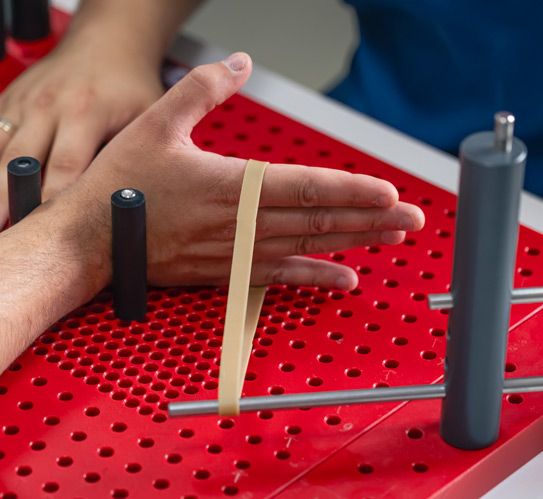
Recovery from hand surgery varies widely based on the procedure performed and the extent of the injury. Most patients receive tailored instructions that may include range-of-motion exercises, strength training, and hand therapy. Rehabilitation often incorporates techniques such as nerve stimulation, massage, and heat therapy to support circulation and muscle relaxation. Many individuals regain significant function with consistent therapy and follow-up care. Surgery is typically recommended when conservative treatments fail or when a clear structural problem needs correction, and most patients experience meaningful improvements in comfort and daily function following recovery.