
A traumatic brain injury (TBI) can happen after a car accident, fall, workplace incident, sports collision, or physical assault. Some brain injuries are obvious immediately, but others develop more gradually and may be overlooked in the hours or days after trauma. Because symptoms can be delayed or mistaken for stress, pain, or fatigue, it is important to recognize warning signs early and seek prompt medical evaluation.
TBIs range from mild concussions to severe injuries involving bleeding, swelling, or lasting neurological impairment. Even a so-called mild injury can affect memory, concentration, balance, mood, and the ability to work or function normally. Early diagnosis often improves treatment planning and recovery outcomes.
Common Symptoms That Should Never Be Ignored
After any accident involving a blow to the head, sudden movement, or forceful impact, symptoms may include:
- Persistent or worsening headaches
- Dizziness or balance problems
- Nausea or vomiting
- Confusion or feeling mentally slowed down
- Memory problems
- Difficulty concentrating
- Blurry vision or sensitivity to light
- Ringing in the ears
- Fatigue or unusual drowsiness
- Mood swings, irritability, anxiety, or depression
- Slurred speech
- Numbness or weakness
- Loss of coordination
- Loss of consciousness, even briefly
Some people attempt to “push through” these symptoms, especially after an accident when other injuries are also present. That can delay treatment and potentially worsen recovery.
Symptoms May Be Delayed
Not every TBI is immediately obvious. A person may feel shaken up after an accident, then notice symptoms later that evening or over the next several days. Delayed symptoms can include headaches, sleep changes, forgetfulness, emotional changes, and trouble focusing at work or school.
This is one reason post-accident medical evaluation is so important. A person who initially feels fine may still have sustained a concussion or other brain injury.
When Emergency Care Is Needed
Some symptoms require urgent medical attention right away, including:
- Repeated vomiting
- Severe or rapidly worsening headache
- Seizures
- Increasing confusion or agitation
- Unequal pupils
- Weakness on one side of the body
- Difficulty waking up
- Loss of consciousness
- Clear fluid draining from the nose or ears
These signs may indicate a more serious injury that needs immediate treatment.
How TBIs Are Diagnosed
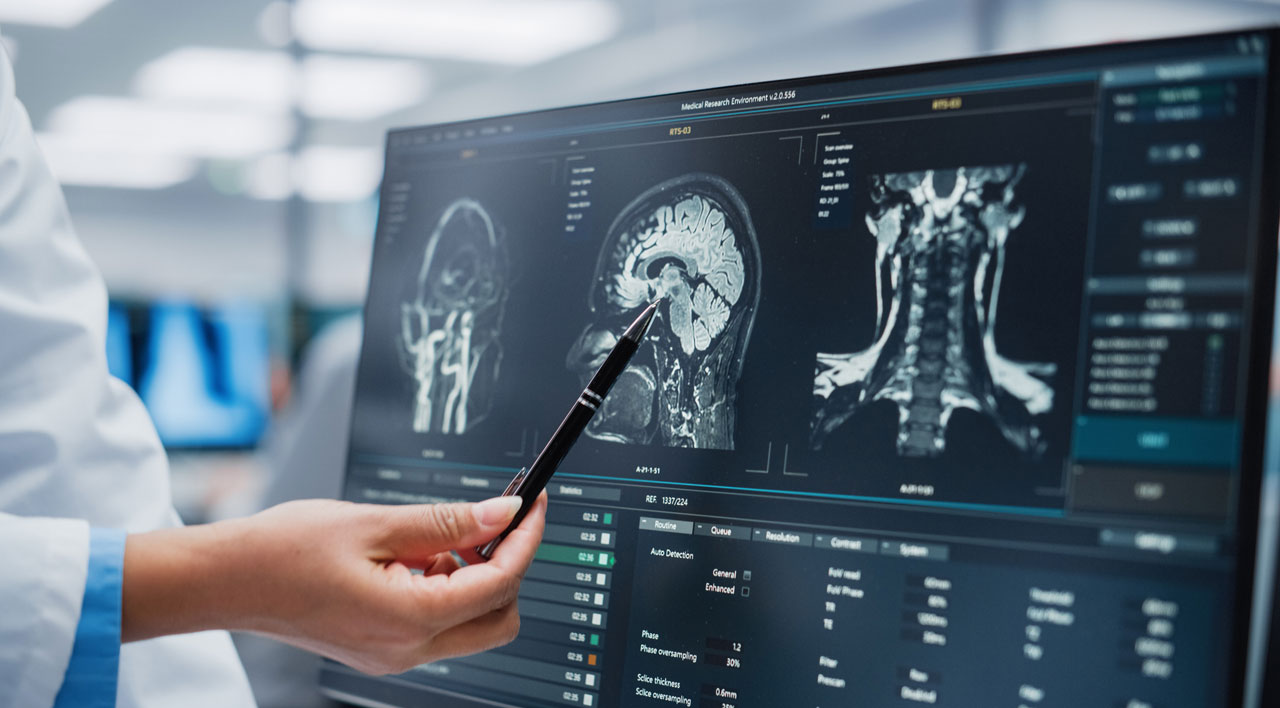
Diagnosis may involve a neurological exam, symptom review, cognitive testing, balance assessment, and imaging studies when appropriate. Standard scans do not always detect every concussion, which is why a thorough clinical evaluation is often just as important as imaging.
Specialized concussion programs may also use tools such as computerized cognitive testing to better measure impairment and track recovery.
Why Early Treatment Matters
Untreated brain injuries can interfere with daily life, employment, academics, and emotional health. Early care may include physical and cognitive rest, symptom management, rehabilitation therapies, balance treatment, headache care, or specialist referrals depending on severity.
The sooner symptoms are recognized, the sooner a personalized recovery plan can begin.
Do Not Ignore the Warning Signs
If you or a loved one develops headaches, confusion, dizziness, memory issues, or other neurological symptoms after an accident, do not assume it will simply pass. A timely evaluation can identify the problem, guide treatment, and help protect long-term brain health.