
Understanding Epidural Steroid Injections
Epidural steroid injections are a common treatment used to reduce inflammation and pain in the spine, especially when nerves are irritated by conditions such as herniated discs, spinal stenosis, or sciatica. By delivering corticosteroid medication directly into the epidural space, these injections help calm inflamed tissues and numb pain signals. Many patients experience significant relief, improved mobility, and reduced reliance on oral pain medications. When combined with a broader treatment plan, ESIs can support meaningful improvement in daily comfort and function.
How Epidural Steroid Injections Work
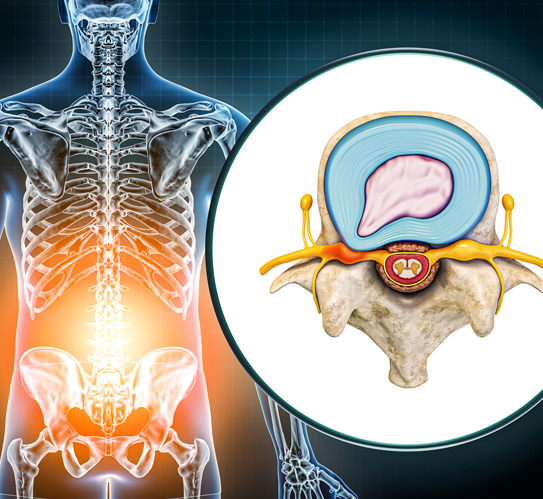
An epidural steroid injection targets inflamed spinal nerves by delivering medication into the space surrounding the spinal cord and nerve roots. This area can become irritated when narrowing within the spine compresses the nerves, a condition that may result from bone spurs, disc herniation, thickened ligaments, or joint cysts. By reducing swelling around the nerves, ESIs help decrease pain that radiates into the arms or legs.
The medication typically includes a corticosteroid to address inflammation and a local anesthetic to provide short-term relief. This combination helps improve comfort while allowing the steroid to work over the following days. ESIs can be useful for both recent nerve irritation and chronic pain, offering support for patients who are not ready for or do not require surgery.

What to Expect During the Procedure
Epidural steroid injections can be administered through several approaches, including caudal, interlaminar, and transforaminal techniques. In all methods, a thin needle is guided into position using fluoroscopy (live X-ray) and contrast dye to ensure accuracy. Local anesthetic is often applied to the skin to minimize discomfort during the injection.
Patients may feel mild pressure, tingling, or a warming sensation as the medication enters the epidural space. Injections generally take only a few minutes, followed by a brief observation period to monitor for any immediate reactions. Most patients can return home shortly afterward and resume normal activities the next day.
Conditions Treated with ESI
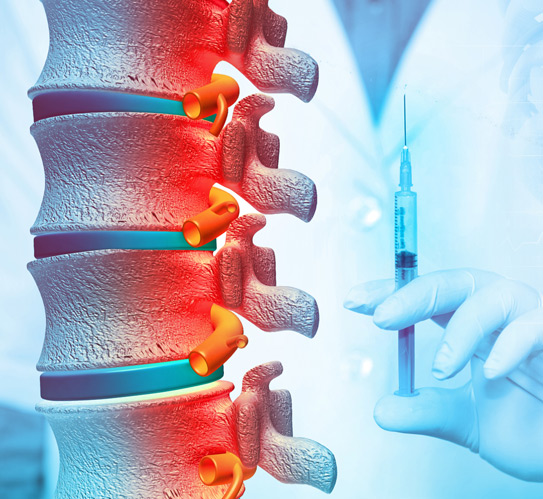
Epidural steroid injections may be recommended for a variety of spine-related conditions. These include herniated or bulging discs, spinal stenosis, post-operative “failed back” symptoms, and nerve irritation caused by bone spurs or spinal misalignment. By reducing inflammation at the source, ESIs can ease nerve compression and help patients return to activity with less pain.
Recovery, Side Effects, and Long-Term Care
Most patients can resume routine activities the day after the procedure, though strenuous exercise may be postponed temporarily. Some individuals experience short-term side effects such as skin changes, insomnia, facial flushing, or elevated blood sugar, especially with repeated injections. These reactions typically resolve on their own but should be discussed with a physician if they persist.
During recovery, it’s important to monitor symptoms and follow any activity recommendations provided by the care team. Patients should seek medical attention if they notice dizziness, fever, persistent numbness, or redness or drainage at the injection site. When used alongside physical therapy and other supportive treatments, epidural steroid injections can play an important role in reducing spine-related pain and improving quality of life.