
Understanding Tennis & Golfer’s Elbow
Tennis elbow and golfer’s elbow are common overuse injuries involving inflammation of the tendons that attach to the elbow. Tennis elbow affects the outer part of the joint, while golfer’s elbow affects the inner side. Both conditions are caused by repetitive motion, gripping, or lifting activities that strain the forearm muscles. Symptoms often include pain, weakness, and tenderness during everyday tasks. With early treatment and proper activity modification, most people can reduce discomfort and regain function.
How These Conditions Develop
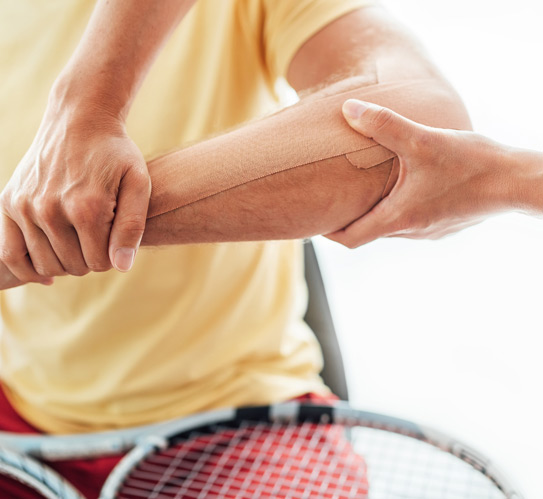
Both tennis elbow and golfer’s elbow result from damage to the tendons that anchor the forearm muscles to the elbow. Repetitive wrist and hand movements can create microtears within these tendons, leading to irritation and inflammation. Sports like tennis, golf, baseball, and softball often contribute to this strain, especially if techniques are incorrect or warm-up routines are insufficient. Excessive repetitions during weightlifting may also increase risk.
However, these injuries are not limited to athletes. Activities such as painting, hammering, typing, or assembly-line work can place similar strain on the tendons. Certain risk factors—such as being over age 40, smoking, or carrying excess weight—may increase susceptibility. Over time, continued overuse without rest can worsen symptoms and prolong recovery.

Recognizing the Symptoms
Pain and tenderness on either the inside or outside of the elbow are hallmark signs of golfer’s and tennis elbow. The discomfort can travel into the forearm and may worsen during activities that involve gripping or twisting. Some individuals notice stiffness in the elbow, along with weakness in the hands. Numbness or tingling in the fingers may also be present.
Symptoms may begin suddenly after a forceful movement or develop slowly through repetitive use. Worsening pain during tasks such as turning a doorknob, shaking hands, or lifting objects with the palms facing downward is common. Identifying symptoms early helps prevent further tendon damage and allows for more effective treatment.

Treatment and Recovery Options
Initial treatment typically involves rest, ice, and activity modification to reduce stress on the affected tendons. Over-the-counter anti-inflammatory medications may help ease discomfort. Bracing or elastic wraps can provide support during daily activities. Orthopedic specialists may recommend stretching and strengthening exercises for the forearm muscles to improve flexibility and reduce tendon strain.
Advanced Care and Long-Term Management
If symptoms persist despite conservative treatment, cortisone injections may offer temporary relief from inflammation. Consulting a tennis or golf professional to adjust technique can also prevent reinjury. For persistent pain lasting longer than six months, surgery may be considered. Surgical procedures focus on removing damaged tissue and repairing tendon tears, often performed using minimally invasive techniques for faster recovery.
After surgery, physical or occupational therapy helps rebuild strength and restore full function. Gradual return to activity is essential to prevent recurrence. With proper care and attention to technique and conditioning, individuals can successfully manage tennis or golfer’s elbow and return to their usual activities with improved comfort and mobility.