
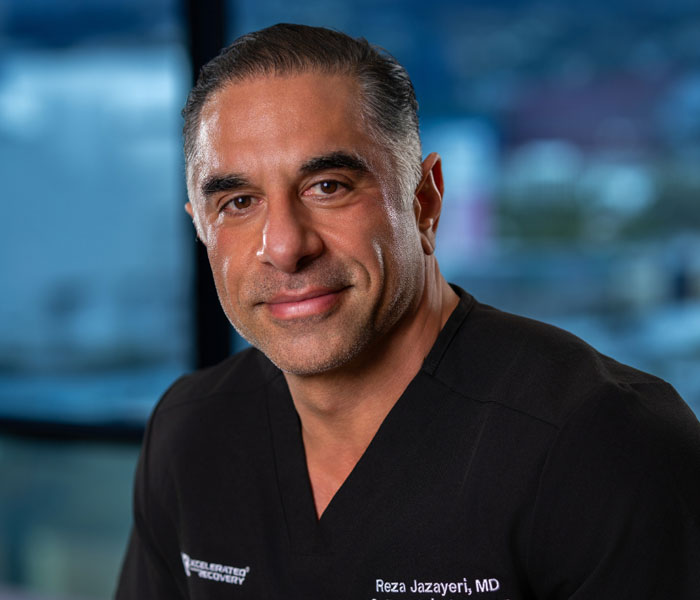
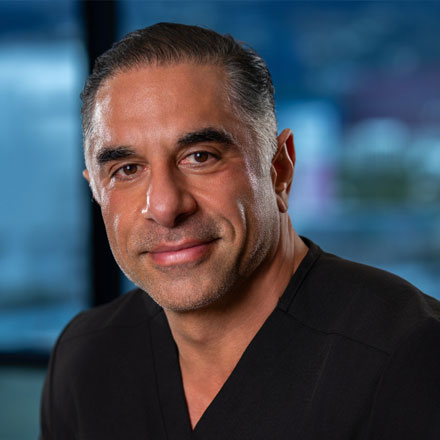
Reza Jazayeri, MD
Orthopedic Surgery and Sports Medicine
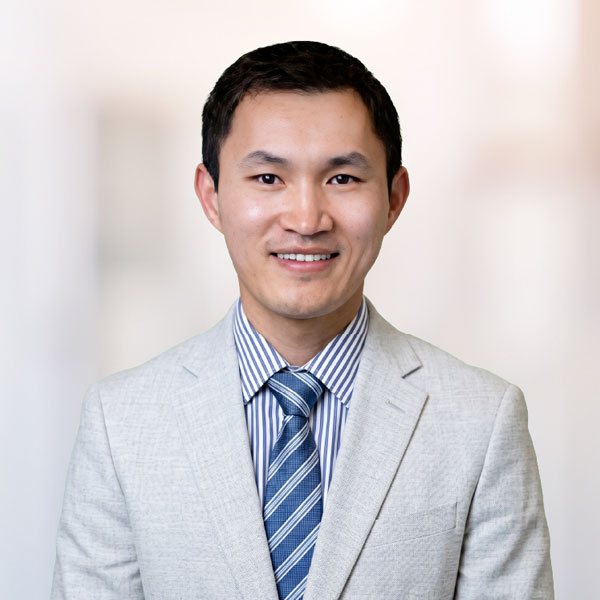
Vu Le, MD
Orthopedic Spine, Sports Medicine & Pain Management
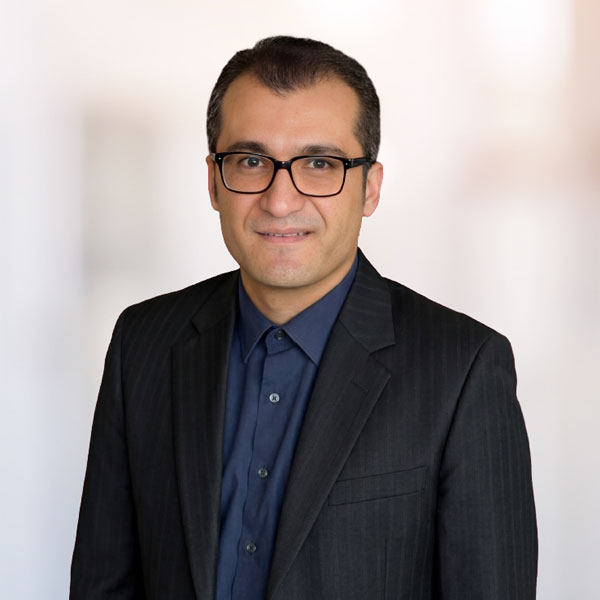
Yashar Ilkhchoui, MD
Interventional Spinal Pain Management, PRP & Regenerative Medicine Treatments
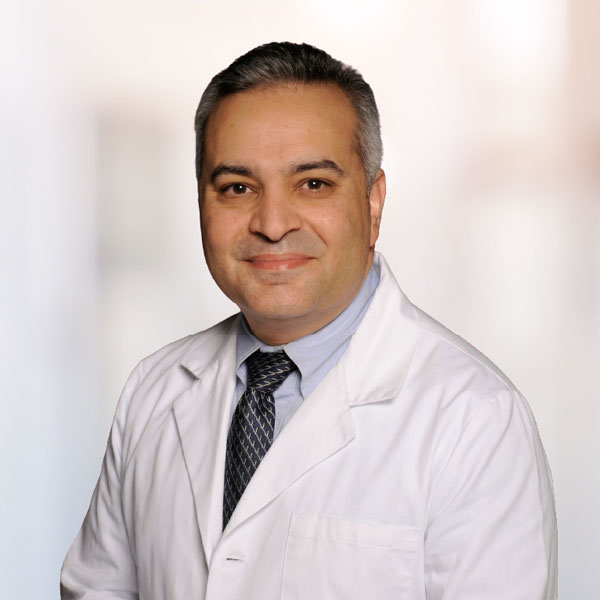
M. Mohsin Shah, MD, FAANS, FCNS, FACS
Traumatic Brain Injury (TBI) Specialist, Minimally Invasive Spine Surgery, Stereotactic Radiosurgery (Cranial and Spinal)
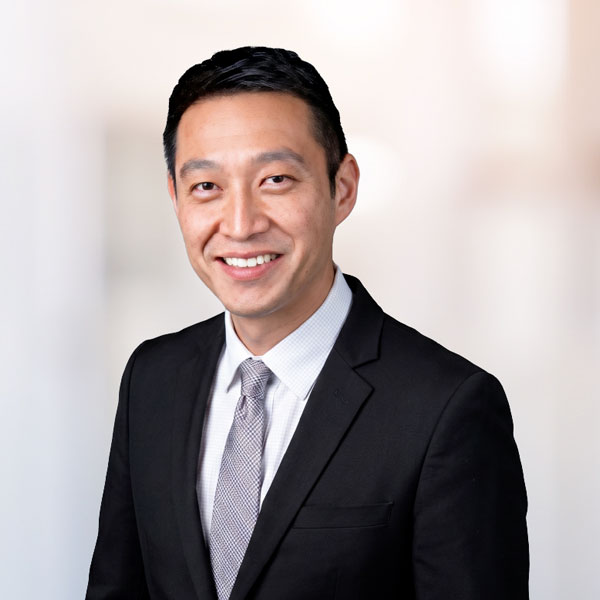
Richard Lin, DO
Fellowship-Trained Orthopedic Spine Surgeon
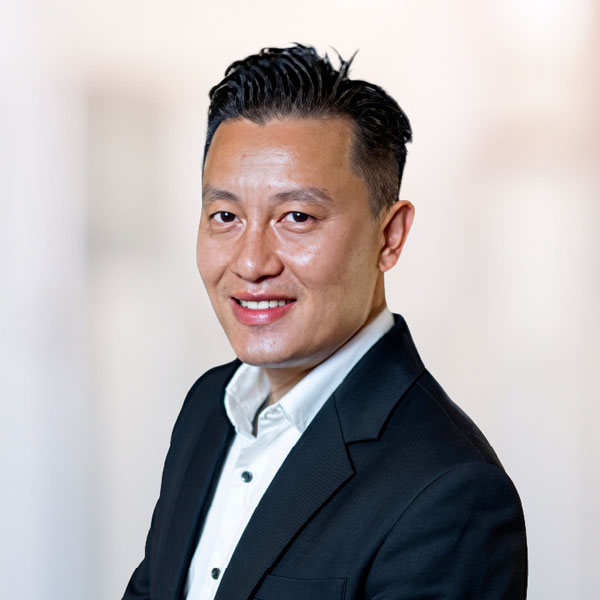
Chris Ninh, MD
Orthopedic Sports Medicine & Minimally Invasive Surgery Specialist Specialty: Arthroscopic Shoulder, Hip & Knee Surgery & Total Joint Replacement

Peter Birnbaum, DO
Orthopedic Hand & Micro Surgery Specialist
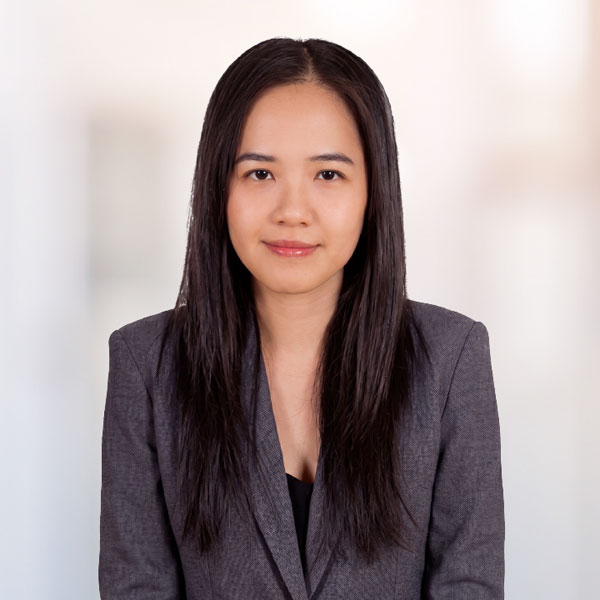
Ngoc Truong, DO
Interventional Pain & Spine Specialist, PRP & Regenerative Medicine Treatments
Sammy Xian, DPM
Podiatry & Foot Injury Specialist (PRP Therapy of Forefoot & Ankle Injuries)
Kelvin Kim, MD
Orthopedic Sports Medicine & Minimally Invasive Surgery Specialist Specialty: Arthroscopic Shoulder, Hip & Knee Surgery & Total Joint Replacement
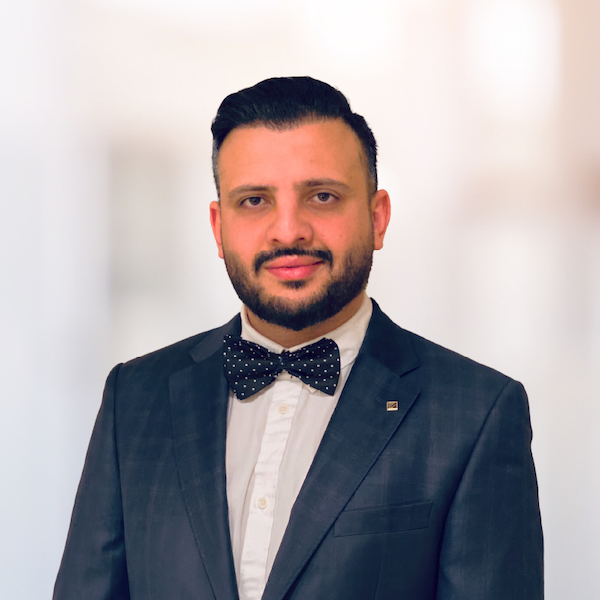
Amir Norbaksh, DO
Board Certified Anesthesiologist & Ultrasound Guidance Regional Anesthesia Pain Specialist Board Certified Addiction Medicine Specialist & Ultra Rapid Opioid Detox Specialist
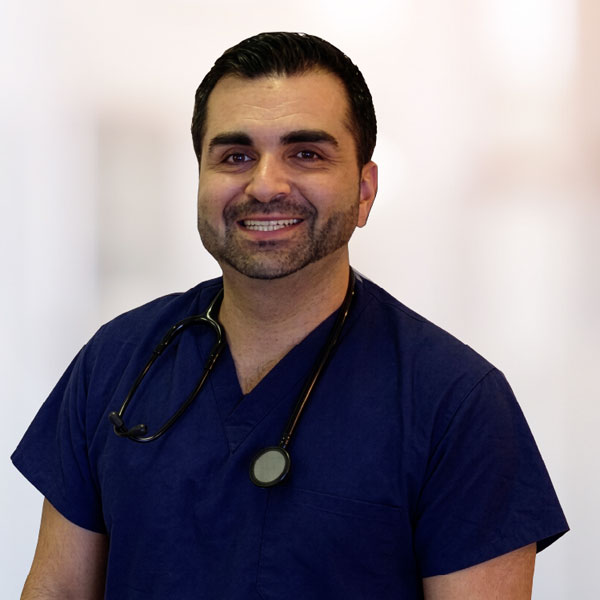
Homan Mahallati, DO
Sports Medicine, Medical Clearance & Concussion Specialist
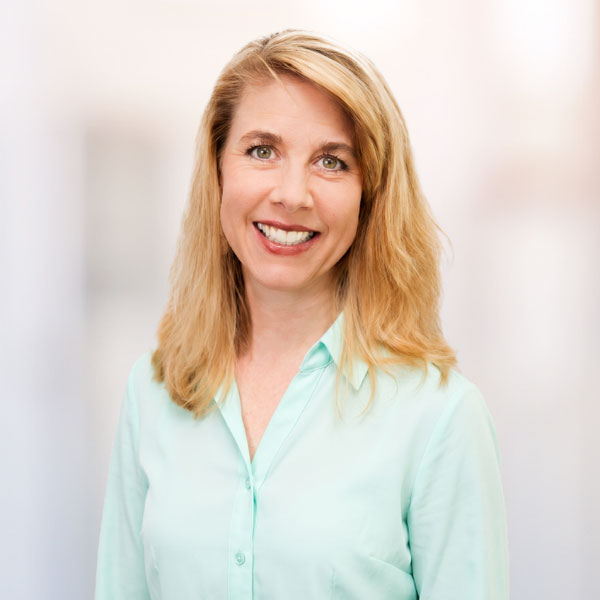
Kelli McSwan, Ph.D., CBIST
Clinical Neuropsychology and Certified Brain Injury Specialist (TBI & Concussion Specialist)
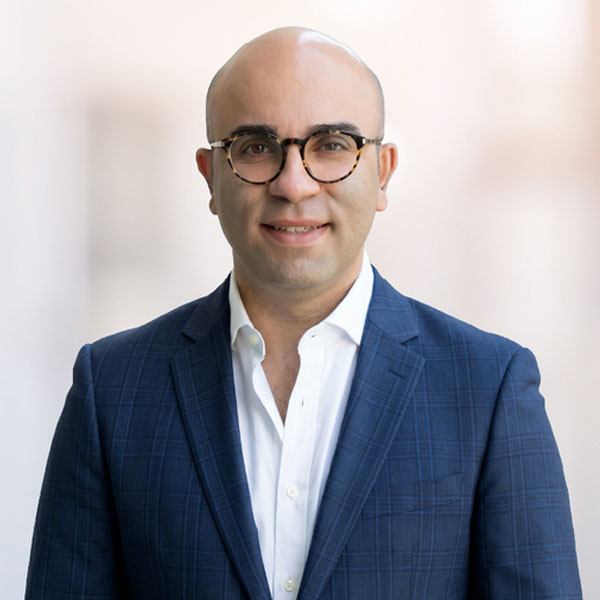
David Shamouelian, MD
Facial Plastic Surgeon and Board Certified Head & Neck Surgeon
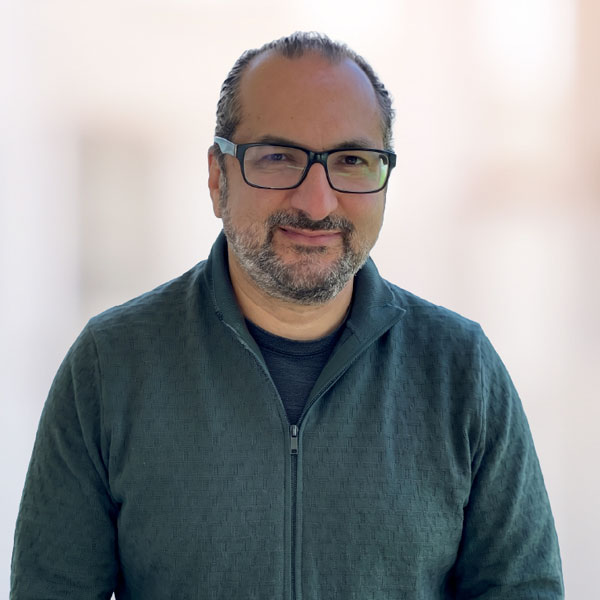
H. Joseph Naim, MD
General Surgery & Fellowship-Trained Bariatric Laparoscopic Specialist
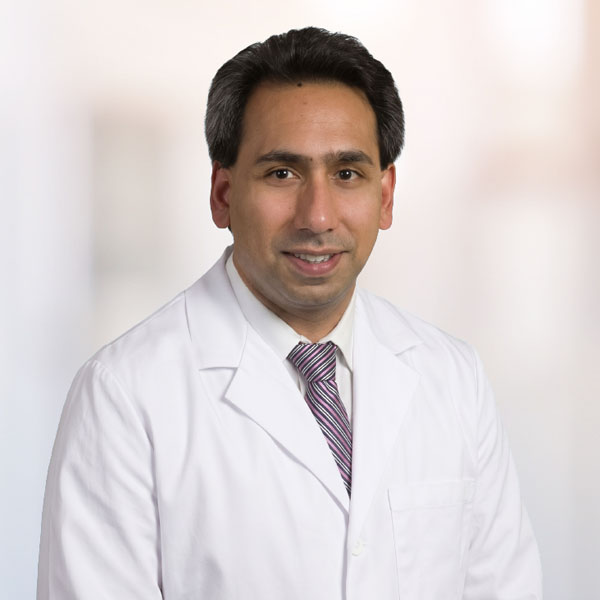
Atul K. Madan, MD
General Surgery, Laparoscopy Hernia Specialist & Bariatric Surgery
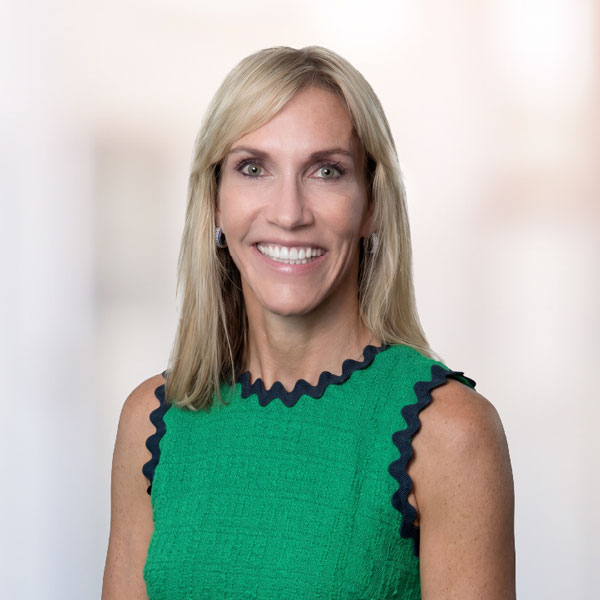
Kelly A. Francis, MD
General Surgery, Laparoscopy Hernia Specialist & Bariatric Surgery Specialist, Medical Weight Loss Injections, Medical Spa Services: Botox Injections, Laser Hair & Tattoo Removal FACIAL TRAUMA AND ORO-MAXIALLO FACIAL RECONSTRUCTIVE SURGERY SPECIALIST PLASTIC RECONSTRUCTIVE SURGERY SPECIALIST AND COSMETIC REVISIONAL SURGERY Team-Thumb David L. Bell, MD, DDS Oral and Maxillofacial Surgery Team-Thumb Samuel Salcedo, MD, FASC Board Certified Plastic Reconstructive Surgery Team-Thumb Angela Champion, MD, FACS Board Certified Plastic and Reconstructive Surgery Location 3420 Bristol St #700, Costa Mesa, CA 92626 Satellite Offices 701 E 28th St. #100, Long Beach, CA 90806 1310 W. Stewart Dr. #308, Orange, 92868 10841 White Oak Ave., Rancho Cucamonga, CA 91730 Phone (888) 276-2214 Call Recording Disclaimer (714) 485-3544 Follow Us Facebook-f Instagram Youtube Email co*********@*************ts.com Disclaimer : All content posted on this website is commentary or opinion. This website does not give or attempt to give medical advice and your personal information is not stored. THIS WEBSITE IS NOT DESIGNED TO – AND DOES NOT – PROVIDE MEDICAL ADVICE. The Open Payments database is a federal tool used to search payments made by drug and device companies to physicians and teaching hospitals. It can be found at https://openpaymentsdata.cms.gov. Disclaimer: This website uses cookies and tracking technologies for analytics and marketing purposes. These tools are activated only after you provide consent. No personal identifiers, medical details, or legal case information are shared with third-party platforms. You may manage your preferences at any time through our cookie settings. Learn more in our Privacy Policy. © Copyrights 2026 SCORS, All Rights Reserved. | No Surprises Act Disclosure | Privacy Policy | ADA Disclaimer | Powered by: Dynamo Web Solutions

David L. Bell, MD, DDS
Oral and Maxillofacial Surgery
Samuel Salcedo, MD, FASC
Board Certified Plastic Reconstructive Surgery
Angela Champion, MD, FACS
Board Certified Plastic and Reconstructive Surgery Location 3420 Bristol St #700, Costa Mesa, CA 92626 Satellite Offices 701 E 28th St. #100, Long Beach, CA 90806 1310 W. Stewart Dr. #308, Orange, 92868 10841 White Oak Ave., Rancho Cucamonga, CA 91730 Phone (888) 276-2214 Call Recording Disclaimer (714) 485-3544 Follow Us Facebook-f Instagram Youtube Email co*********@*************ts.com Disclaimer : All content posted on this website is commentary or opinion. This website does not give or attempt to give medical advice and your personal information is not stored. THIS WEBSITE IS NOT DESIGNED TO – AND DOES NOT – PROVIDE MEDICAL ADVICE. The Open Payments database is a federal tool used to search payments made by drug and device companies to physicians and teaching hospitals. It can be found at https://openpaymentsdata.cms.gov. Disclaimer: This website uses cookies and tracking technologies for analytics and marketing purposes. These tools are activated only after you provide consent. No personal identifiers, medical details, or legal case information are shared with third-party platforms. You may manage your preferences at any time through our cookie settings. Learn more in our Privacy Policy. © Copyrights 2026 SCORS, All Rights Reserved. | No Surprises Act Disclosure | Privacy Policy | ADA Disclaimer | Powered by: Dynamo Web Solutions